The Dark Web has long fascinated researchers, journalists, and those seeking anonymity online. Its hidden nature — a place where anonymity and illegal activities intersect — raises numerous questions. At the core of this digital underworld is the Hidden Wiki — an unofficial directory that serves as a guide to the mysterious and dangerous corners of the internet. This resource is the starting point for those who choose to explore the inaccessible realms of the web.
In this article, we explore not only popular stories and myths of the Dark Web but also real cases that showcase what lies behind the “dark side” of the internet. We will cover topics like anonymous forums, illegal marketplaces, and the role of cryptocurrencies in maintaining user anonymity. This world, where illegal activities and freedom of speech can coexist, presents many questions and opens up uncharted territories.
Hidden Wiki: The Gateway to the Dark Web
The Dark Web is a hidden part of the internet, accessible via anonymity technologies like Tor. The Hidden Wiki serves as the “homepage” for those who choose to explore this world, compiling links to anonymous sites, forums, cryptocurrency exchanges, and other resources that don’t show up in regular search engines.
The history of Hidden Wiki began in the 2010s, and since then, the site has become a critical point of orientation for those wishing to explore the web’s hidden parts. Hidden Wiki classifies websites into categories like forums and marketplaces, but also includes resources for activists, journalists, and whistleblowers who need to protect their anonymity.
Statistics show that more than 50% of visitors to Hidden Wiki are individuals looking for information on anonymous forums or resources for anonymous cryptocurrency transactions. As such, the site has become an essential reference point for users seeking freedom from censorship.
Dark Web: Marketplaces and Illegal Trade
One of the most famous aspects of the Dark Web are its illegal marketplaces. These “underground markets” have become hubs for trading illegal goods and services, from drugs to stolen data and weapons. The use of anonymous cryptocurrencies such as Bitcoin, Monero, and Ethereum has become a key element of these transactions, ensuring a high degree of confidentiality.
Since 2011, with the launch of the first well-known Dark Web market — Silk Road — the Dark Web has been a hub for criminals, but also a place where many sought out goods not available in the regular web. According to reports, in 2013 the Silk Road’s turnover reached $1.2 billion, which clearly demonstrates the scale of illegal trading. After its closure, many other markets like AlphaBay and Hansa Market continued the trade.
However, despite frequent shutdowns of these platforms by law enforcement, the Dark Web continues to adapt, opening new marketplaces for anonymous trade. This raises critical questions about security and the effectiveness of efforts to combat such markets. International law enforcement agencies are actively working to address this issue, but statistics show that each new Dark Web market reaches millions of dollars in turnover within the first few months of operation.
Hacker Forums of the Dark Web: Anonymity and Cybercrime
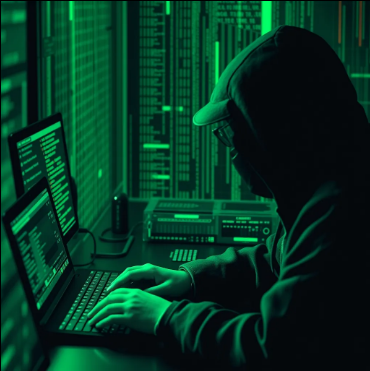
Another dangerous aspect of the Dark Web is its hacker forums, where criminals and programmers gather to exchange knowledge about cybercrimes. These forums have become crucial places for training hackers and exchanging techniques for conducting attacks, such as data theft, DDoS attacks, and corporate system breaches.
According to research by Flashpoint, in 2021 there were over 300 major cyberattacks linked to Dark Web forums, highlighting the scale of the threat. Hackers can communicate and organize attacks through secure channels, using encrypted messages and services like PGP.
Anonymity is the key element that supports the activities of these communities. This allows criminals to exchange hacking tools and plan illegal transactions without the risk of being identified.
Whistleblowers in the Dark Web: Speaking Truth in the Shadows
The Dark Web also provides whistleblowers and activists with a unique platform for fighting corruption and injustice. Anonymity offered by resources like the Hidden Wiki gives them the ability to protect their identities while exposing political repression, corruption, and human rights violations.
Notable whistleblower leaks, such as the Panama Papers and the Snowden revelations, often utilized platforms with enhanced anonymity, including Dark Web resources, to avoid the consequences of disclosing sensitive information.
Statistics show that in the past year, there have been about 10 major whistleblower revelations on the Dark Web that have had a significant impact on public opinion.
Cryptocurrencies and the Dark Web: Digital Money in the World of Anonymity
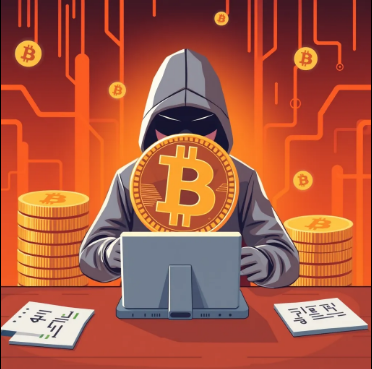
Cryptocurrencies play a crucial role in the Dark Web economy, enabling anonymous transactions. Unlike traditional financial systems, where transactions can be traced, cryptocurrencies provide untraceable transfers.
In 2022, the use of Bitcoin for anonymous transactions on the Dark Web accounted for over 60% of all transactions in the network, according to Chainalysis. This underscores the importance of cryptocurrencies in the context of anonymity and data protection on the Dark Web.
Conclusion
The Dark Web is a multifaceted world that continues to captivate researchers, criminals, and human rights defenders. The stories unfolding on Hidden Wiki and other platforms provide us with a glimpse into a world filled with anonymous forums, illegal trade, cybercrimes, and whistleblowing. This place, where cryptocurrencies, anonymity, and freedom of speech blend with crime and danger, creates a unique digital landscape that challenges contemporary ideas about online security, privacy, and human behavior.