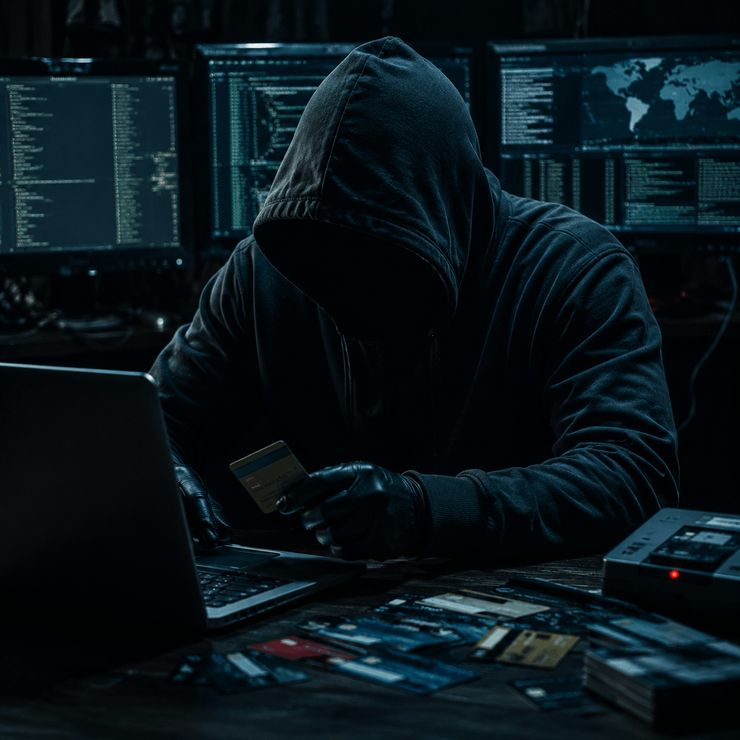
Carding is a term associated with the theft of bank card data and fraud on the Internet. In this article, we will go into detail about what carding is, how criminals steal data from cards, which cards for carding are the most popular, and of course, how to protect your card from theft and fraud.
What is Carding and How is Bank Card Data Stolen?
Carding is a criminal activity in which criminals steal bank card data to carry out illegal transactions. Often, this is done using phishing, creating cloned cards, or introducing malware to access the data.
The main carding methods include:
Phishing — stealing data through fake websites that disguise themselves as legitimate ones to trick users into entering their personal information.
Skimming — using devices to copy card data when making transactions at ATMs.
Network Attacks — introducing viruses and trojans that steal data from computers and mobile devices.
How Carding Can Ruin Lives: The Story of a Woman Who Lost 2 Million Dollars
One of the most alarming cases of card data theft involved a young woman who still cannot believe what happened. Her name was Anna, and she worked at a large company, earning a good salary and enjoying financial stability. However, one day her life was turned upside down.
Like many others, Anna made online purchases and used her credit card for convenience. One day, she received an email asking her to update her account information through a fraudulent website. The email looked absolutely official, with her bank’s logo and a request to confirm her details, as they allegedly needed to be updated for security reasons.
Without hesitation, she clicked the link and entered her data — card number, CVV, expiration date, and even the confirmation code sent via SMS. A few hours later, huge sums of money were withdrawn from her account. At first, she didn’t immediately understand what had happened. Anna started checking her transactions and soon discovered that over 2 million dollars had disappeared from her account.
The criminals managed to transfer the money to various cryptocurrency accounts, covering their tracks. The bank informed her that the transaction had been made through a phishing site and that recovering the money would be nearly impossible. The entire process, from receiving the fake email to transferring the funds, took just a few hours, showing how quickly criminals can use stolen data.
Anna did not immediately realize she had fallen victim to phishing, as the email was so professionally crafted that there were no obvious mistakes. This case served as a reminder of how important it is to be cautious on the internet and use all available security measures to avoid such fraud.
Which Cards Are Most Vulnerable to Carding?
Cards for carding, such as credit and debit cards, often become targets for criminals. Visa, Mastercard, and American Express cards can all be used by fraudsters for illegal transactions.
If your card is not protected by additional security measures, such as two-factor authentication, it can become a target for carding. For example, magstripe cards without a chip have significantly higher risks of data theft.
How to Protect Your Card from Theft and Fraud?
Protection from carding requires the use of several security measures. Here are some important steps to help protect your data and prevent carding:
Use Two-Factor Authentication (2FA) for online payments. This adds an extra layer of security and prevents unauthorized transactions.
Monitor your account statements regularly. Check your transaction list frequently. If you spot any suspicious activity, report it to the bank immediately.
Do not enter card details on suspicious websites. Always check that the website is secure (look for HTTPS in the address bar).
Use virtual cards for online purchases. Virtual cards are created for one-time use and are time-limited, significantly reducing risks.
Update software and antivirus on your devices to protect them from malware that could steal your data.
How Fraudsters Use Stolen Card Data
When a criminal obtains your card details, they can either create a cloned card or use the data for online purchases. Many criminals also use cryptocurrencies to cover their tracks and ensure the anonymity of their transactions.
Carding also involves the resale of stolen data on black markets, where they can be used by other criminals for further actions. This creates a threat for a huge number of users whose data may fall into the wrong hands.
Safe Online Payment Tips
Use secure platforms for purchases. Always choose websites that use SSL certificates and offer additional security measures.
Set up transaction notifications on your card to receive alerts about any suspicious activity.
Use chip cards instead of magstripe cards. Chips offer additional protection against card cloning.
How to Prevent Phishing and Protect Your Card Data?
Phishing is a method of deception where criminals try to steal your personal data (including bank card information) through fake websites and messages.
To protect yourself from phishing, you should:
Verify the sender of emails and the safety of the links they contain.
Use strong passwords for your accounts.
Never share your card details over the phone or in emails.
Why It’s Important to Monitor Your Card Security and the Potential Consequences
Carding and phishing can lead to significant financial losses if steps are not taken to protect yourself. Constant attention to your card security and data protection is the best way to avoid unpleasant consequences.
In case of data theft, immediately report it to your bank and block your card.